We Updated Our Sustainability Principle. Not Our Intentions.
A five-minute conversation at VivaTech changed one line on our website. New EU rules on green claims taught us to describe what we do, not what we wish.

Sometimes you change your website because your company has changed. Sometimes you change it because you have learned something. This was the second kind, and it started with a single sentence and a five-minute conversation.
A five-minute conversation at VivaTech
During VivaTech in Paris, I was talking with Anne Robertz from GreenTripper about the sustainability section on the ReplyFabric website. She stopped me mid-sentence and smiled.
"Tom, you're not allowed to say this."
At first I thought she was joking. She wasn't. So I pulled up the page and read the line she was pointing at:
Sustainability is embedded in every layer of our operations, ensuring a CO₂-neutral platform from day one. We track our carbon footprint, reduce emissions through resource-efficient AI and renewable energy, and compensate for the rest by supporting verified climate projects.
It read well. It sounded responsible. It was also, as Anne explained, the kind of sentence European regulators have started looking at very differently.
A subtle but important distinction
Anne walked me through what has changed. European legislation around environmental claims has become much stricter, and the goal behind it is simple: reduce greenwashing. That one sentence on our site actually carried two claims that no longer hold up. The first was that our platform is CO₂-neutral from day one. The second was that we compensate for the rest of our emissions.
Both statements sound perfectly reasonable, and plenty of companies have communicated exactly like this for years. But under the new rules, a business should not call itself carbon neutral simply because it buys carbon credits or offsets emissions elsewhere. Instead, the expectation is that you describe what you genuinely do, and if you support climate projects, you frame that as contributing to global climate action rather than cancelling out your own footprint. It is a small change in wording, but a meaningful change in what the words actually mean.
So we updated our principle
The fix was not to soften our ambition. It was to say the true thing more precisely. Our sustainability principle now reads:
Sustainability is embedded in every layer of our operations. We continuously track our carbon footprint, reduce emissions through resource-efficient AI and renewable energy where possible, and contribute to certified climate projects to support global climate action. With transparency and accountability at our core, we strive to align innovation with a healthier, greener future.
Did our ambitions change? Not at all. Did our actions change? No. The only thing that changed was the language we use to describe them.
Why I have come to like this change
I will be honest, my first reaction was that it felt a little strange. It is intuitive to want to say something aspirational like "we are working toward carbon neutral." But the more I read about the reasoning behind the legislation, the more it made sense to me. Words like carbon neutral, green, eco-friendly and climate positive have quietly turned into marketing slogans, and consumers usually have no real way of knowing what any of them mean in practice.
What the EU is really asking for is that environmental claims become as precise as financial claims. If you say something, you should be able to prove it. That is a hard standard to argue against, and once I saw it that way, the change stopped feeling like a restriction and started feeling like a discipline worth adopting.
We are not trying to look perfect
Let me be clear about who we are. We are a small startup building AI software. We are not saving the planet, and I am not going to pretend otherwise. What we can do is make responsible choices where they actually matter. We build efficient AI workflows instead of burning through computing resources, we monitor our own footprint, and we choose sustainable infrastructure wherever it is available to us. We also support certified climate projects, but we do that because we believe those projects have genuine value, not because they let us pretend our own emissions have disappeared.
Transparency beats perfect marketing
One of the things I appreciate about building ReplyFabric at this stage is that we are still small enough to learn and adapt quickly. A five-minute conversation on an exhibition floor in Paris turned into a better, clearer sustainability statement, not because our values shifted but because our understanding got sharper. That is exactly how we want to build the product itself: continuously improving, transparent about what we do, and careful never to promise more than we can honestly deliver. More often than you would expect, it is the smallest wording changes that end up building the most trust.
Frequently Asked Questions
About the Author
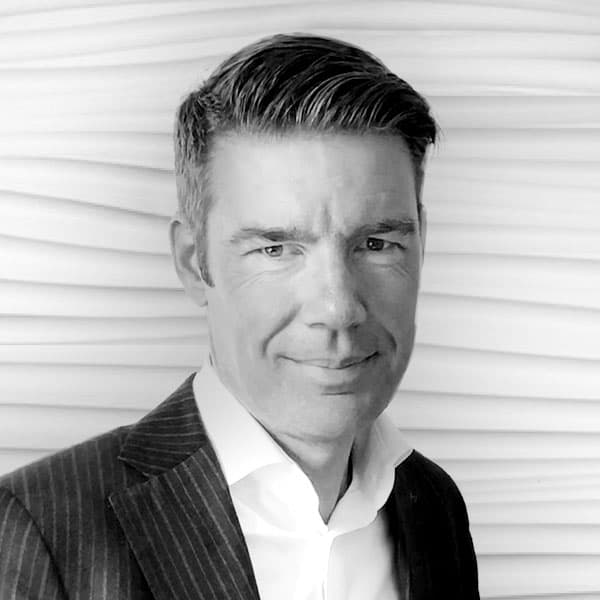
Tom Vanderbauwhede is the founder & CEO of ReplyFabric, lecturer in AI at KdG University, and a seasoned entrepreneur with 25+ years of business experience. He holds master's degrees in Applied Economics, Business Administration (MBA), and Strategic Change Management & Leadership. Tom is passionate about building AI tools that reduce email overload and help teams focus on what matters.
Connect with Tom on LinkedIn and follow his journey as a founder.